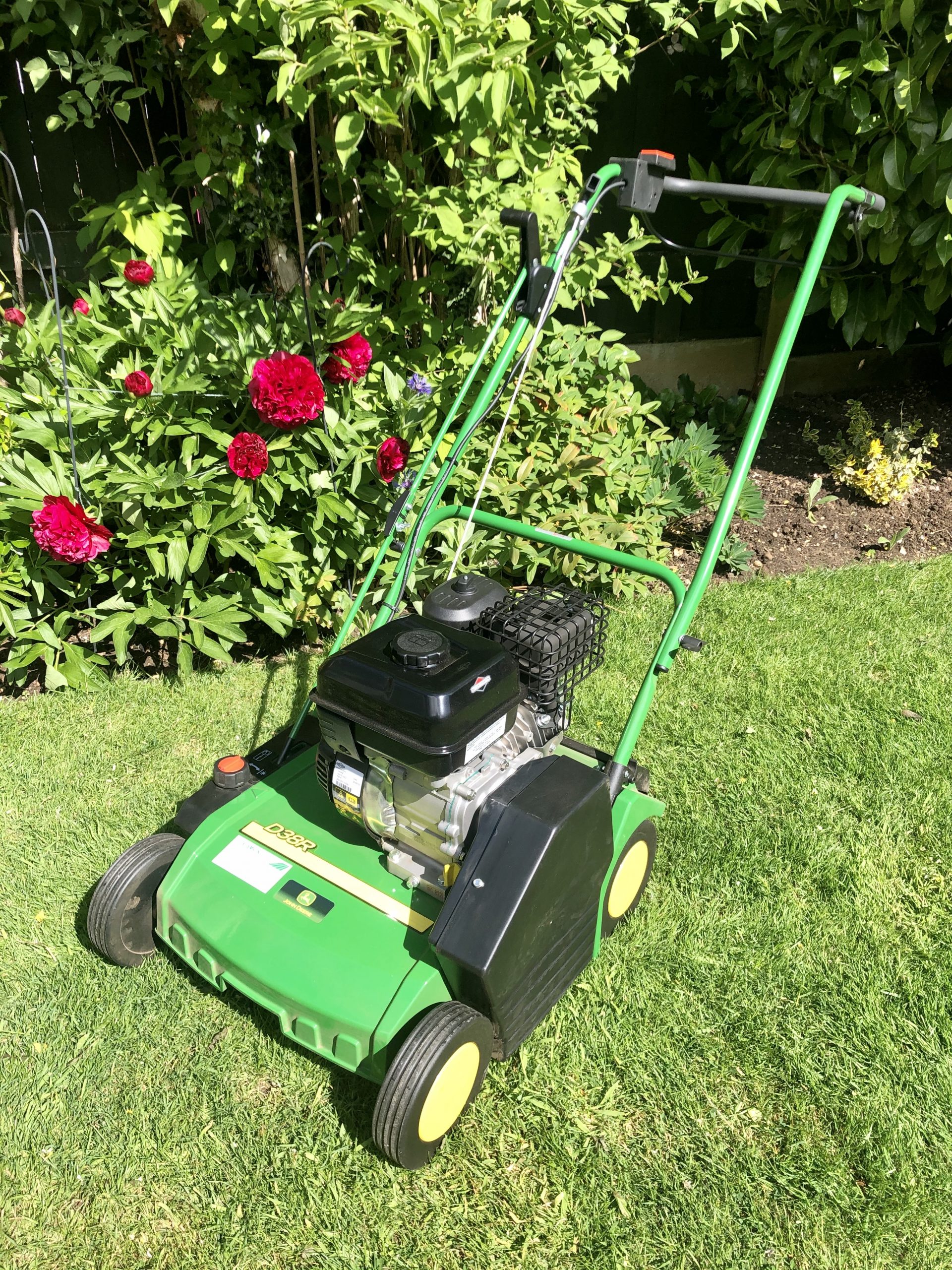
New Scarifier Lawn Care in Hull
15 May 2020
Turf Management for Lush UK Lawns
19 May 2020
Have you ever wondered how to keep your lawn healthy and vibrant through every season? Understanding the importance of regular aeration and dethatching can enhance the beauty of your lawn in South Cave, Brough, and nearby areas like Swanland and Hessle. These practices are essential for maintaining healthy turf, especially in the UK’s unpredictable climate.
Understanding Lawn Aeration
Lawn aeration involves perforating the soil with small holes to let air, water, and nutrients penetrate deep into the grass roots. This process helps the roots grow deeply and produce a stronger, more vigorous lawn.
In the UK, the best time for aeration is during the growing seasons: early spring and autumn. This is when the grass can heal and grow into the holes created during the process. Whether you’re living in Cottingham or North Ferriby, taking the time to aerate your lawn in these periods will ensure it remains in top condition.
Regular aeration reduces soil compaction and encourages healthy grass growth. This is particularly beneficial in gardens that see a lot of foot traffic, as it keeps your lawn looking lush and resilient throughout the year.
The Role of Dethatching
Thatch is a layer of organic material that builds up between the soil and grass, comprising dead grass, roots, and debris. While a thin layer can be beneficial, too much thatch can hinder water absorption and lead to a less healthy lawn.
Dethatching involves removing this layer, usually with a rake or specialised dethatching machine. It ensures that your grass can access the nutrients it needs to thrive. Like aeration, the best times to dethatch are during the growing seasons when the grass is actively growing and can quickly recover.
In areas like Anlaby and Cottingham, where lawns can be subject to heavy clay soils, dethatching can be especially beneficial in maintaining healthy, breathable soil.
Steps for Effective Lawn Aeration and Dethatching
First, assess your lawn’s condition to determine whether it needs dethatching or aeration. You can do this by observing its colour and texture or by performing a simple soil test.
Next, choose the right tools. For aeration, you can use either a manual or a mechanical aerator. A rake or a dethatching machine will work best for dethatching. These tools can usually be rented from local garden centres in places like Hessle or North Ferriby.
Lastly, ensure to follow up with proper aftercare. After aeration or dethatching, water your lawn thoroughly and apply a suitable fertiliser to encourage healthy regrowth.
Top Tips:
Regularly inspect your lawn for signs of compaction or excessive thatch buildup.
Adjust your lawn care routine according to your lawn’s needs, soil type, and local climate conditions.
Consider incorporating organic material or fertilizers postaeration and dethatching to boost lawn health.
FAQ:
Why are aeration and dethatching important? They improve air, water, and nutrient circulation, promoting healthier grass growth.
When should I aerate and dethatch my lawn? The ideal times are during early spring and autumn.
Can I perform these tasks myself? Yes, with the right tools and a little elbow grease, most homeowners can aerate and dethatch their lawns.
Engage with Your Lawn
Consistent lawn care practices like aeration and dethatching will keep your garden looking its best. Are you ready to transform your lawn? Find out more about lawn care help to ensure your garden remains the envy of South Cave and beyond. Have you got any lawn care tips to share? Let us know your experiences and how you tackle seasonal maintenance in the comments below!
For more, see this Wikipedia article on seeding.